
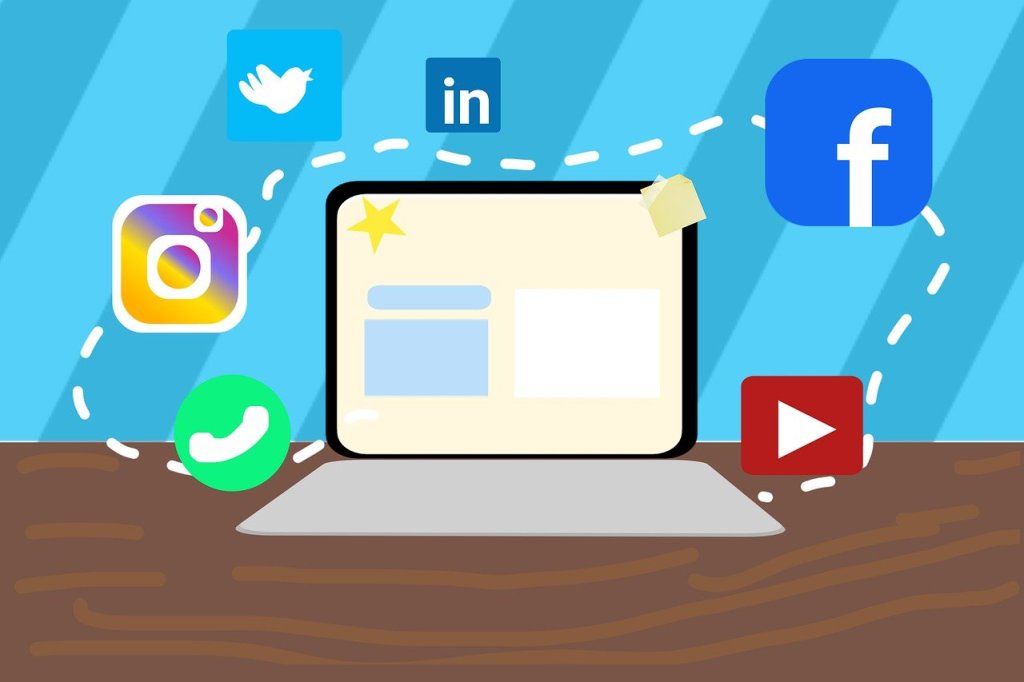
A media plan is a strategic document that explains the strategy for promoting a brand, product, or service through various media channels. It’s basically created by marketing or advertising professionals to ensure that a campaign reaches its target audience effectively and efficiently. The media plan includes details such as the types of media to be used, the timing, frequency, budget allocation, and the specific audience to target.
In this blog, you shall get a complete understanding about the media plan, its importance, and the elements that bring your plan to the actual market.
What Are Its Key Elements?
Objectives
Objectives define the goals or desired outcomes of the media campaign and have a focused direction and measurable results.
Target Audience
A media plan holds a detailed profile of the audience you want to reach, which can include demographics, psychographics, and behavior to help you implement your media strategy effectively. Knowing your audience allows for better media selection, messaging, and timing, ensuring that your campaign connects directly to the right people.
Media Channels What it is
The specific platforms or outlets used to distribute the campaign’s message such as TV, radio, print, social media, online ads, podcasts, and outdoor ads. Different media channels have different reach, engagement levels, and effectiveness depending on the target audience. Choosing the right mix helps maximize the campaign’s impact.
Budget
The total amount of money allocated for the campaign and how it will be divided among the different media channels. A well-defined budget helps prevent wastage of money and efforts, ensures efficient resource allocation, and allows for better decision-making on which channels and tactics will provide the best return on investment (ROI).
Schedule/Timeline
The timing of the campaign, including when it will run, how long it will last, and the frequency of messaging. The timing of the campaign impacts its success. A schedule ensures that your campaign is executed at the most optimal times and maintains consistent messaging.
Creative Strategy
The type of messaging and content that will be used across different channels. This includes how the brand’s story will be told, the visual style, tone of voice, and any specific calls to action (CTAs). The content should align with the audience’s interests and the objectives of the campaign. Consistent content ensures that the message resonates and stands out.
Reach and Frequency
Reach refers to the total number of unique individuals who will be exposed to the message. Frequency refers to how often the message will be delivered to the audience. Balancing reach and frequency are crucial for ensuring that the message is both seen by a wide audience and repeated enough to make an impact without annoying the viewers.
Why Is a Media Plan Important?
A media plan is important for several reasons, all of which contribute to the overall success and efficiency of a marketing or advertising campaign. Here are the key reasons why a media plan is essential:
- Maximizes Budget Efficiency
Without a media plan, there’s a risk of overspending or poorly allocating funds resulting in wastage of resources. A media plan ensures that money is spent wisely by identifying the cost-effective channels, helping achieve the campaign goals without any waste.
- Increases Targeting Accuracy
A media plan helps define and pinpoint the right audience. By using specific channels and platforms that best reach the target audience, it ensures that the message lands with the right people, which leads to higher engagement and better results.
- Improves Consistency Across Channels
A well-structured media plan ensures that all marketing efforts are consistent in terms of message, tone, and timing across various media. This consistency helps strengthen the brand’s identity and makes the campaign more recognizable and unified, no matter where the consumer encounters it.
- Facilitates Performance Measurement
With clear objectives and KPIs outlined in a media plan, marketers can track the campaign’s performance against predefined metrics. This helps determine if the campaign is on track and allows for adjustments in real-time if needed, improving the overall outcome.
- Prevents Wastage of Resources
Without a strategy, there’s a chance to spend money on ineffective channels or reach non-targeted audiences, leading to wasted time, energy, and budget. A media plan helps avoid this by selecting the right mix of media and ensuring efficient use of resources.
- Enhances Coordination Among Teams
A media plan aligns all stakeholders such as creative teams, media buyers, and project managers towards a common set of goals, ensuring everyone is on the same page. It promotes coordination and collaboration, which leads to smoother campaign execution and better outcomes.
What Are the Consequences of Not Having a Proper Media Plan?
Not having a proper media plan can lead to a variety of negative consequences that can affect the effectiveness of your marketing or advertising campaign, as well as your overall business goals. Here are some of the main risks and consequences:
- Wasted Budget
Without a media plan, it’s easy to overspend on channels or tactics that don’t yield a good return on investment (ROI). You may end up spending money on media that doesn’t effectively reach your target audience or provide the desired results.
Example: Allocating too much budget to a channel that doesn’t deliver sufficient engagement or paying for high-traffic placements that don’t convert.
- Ineffective Audience Targeting
Without clear targeting strategies, your message may reach the non-targeted audience, resulting in low engagement, poor brand awareness, and missed sales opportunities.
Example: Running ads on platforms that your target audience doesn’t use or promoting content that doesn’t resonate with the interests or behaviors of your ideal customer.
- Inconsistent Messaging
Consequence: Without a media plan to coordinate your creative efforts across different channels, you risk sending out inconsistent or contradictory messages. This can confuse your audience and reduce the value of the brand identity.
Example: Different social media platforms or TV spots showing conflicting messages or tones, making it harder for your audience to connect with your brand.
- Poor Timing
Without a clear schedule or timeline, you may launch your campaign at the wrong time, missing key opportunities or failing to align with peak audience engagement periods, not getting a complete competitive advantage.
Example: Running an ad campaign during off-seasons or at times when your audience is less active, leading to reduced visibility and impact.
- Lack of Performance Monitoring and Optimization
Without a media plan, there’s no clear framework for tracking performance or adjusting fluctuations during the campaign. This can lead to missed opportunities to optimize and improve your efforts.
Example: Failing to notice underperforming ads or channels that could be adjusted mid-campaign to improve results, leading to a campaign that doesn’t reach its full potential.
- Reduced Brand Recognition and Engagement
When campaigns are poorly targeted, inconsistently executed, or run at the wrong times, the brand’s message can be diluted or ignored, leading to low engagement levels and poor brand recall.
Example: A lack of frequency or repetition in the messaging, leading to potential customers forgetting about the campaign before making a purchase decision.
- Inability to Measure Success
Without defined goals and KPIs, it becomes difficult to measure the effectiveness of a campaign or understand if you’ve achieved your objectives, making it hard to justify your investment or learn from the campaign.
Example: Running a campaign without clear success metrics means you can’t determine what worked and what didn’t, leading to repeated mistakes in future campaigns.
Conclusion
A media plan is essential for creating a pathway for the marketing campaigns towards success. It defines clear goals, targets the right audience, selects suitable media channels, and allocates budgets efficiently for the growth of your brand. With proper planning, businesses can deliver consistent messaging, optimize timing, and measure performance effectively. Without a media plan, campaigns risk poor targeting, inefficient use of budget, and reduced engagement for your products and services. A solid media plan ensures all teams work together, enabling better coordination and real-time adjustments.

 Lakshita Soni
Leave a comment